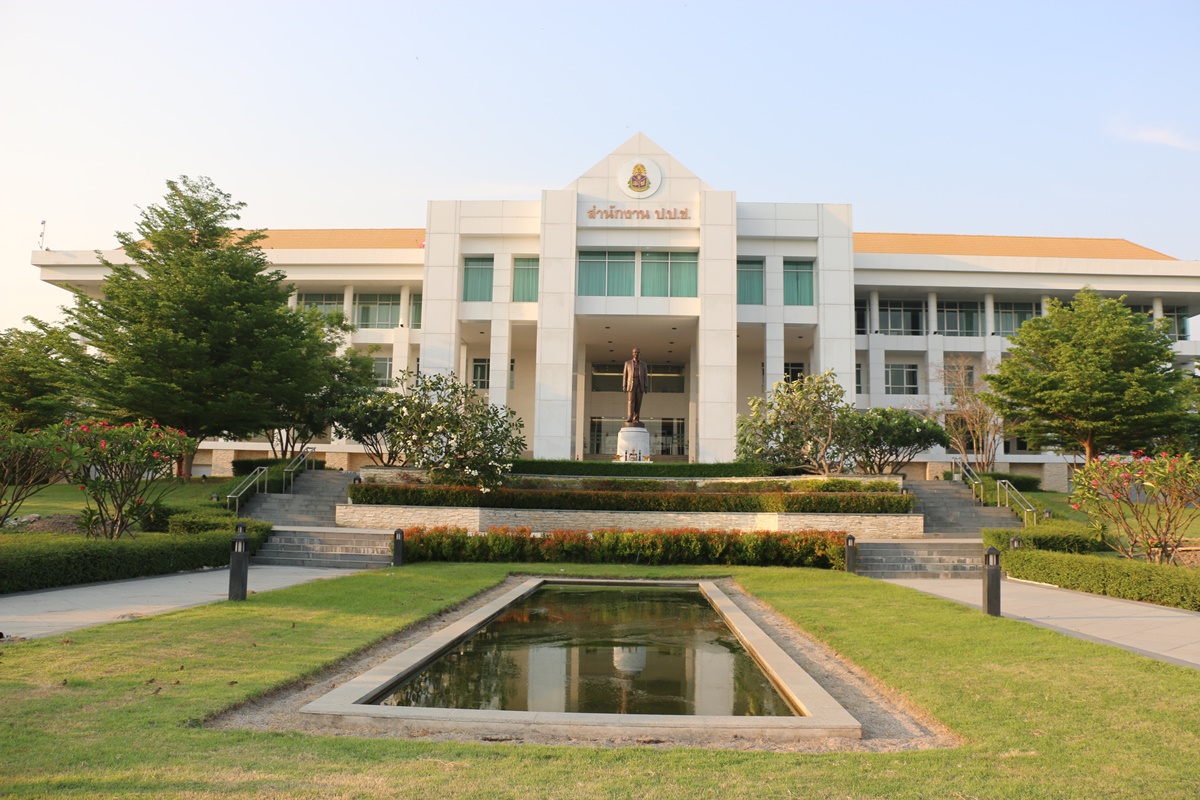
ป.ป.ช. ยโสธร บรรยายให้ความรู้ต่อต้านการทุจริต แก่บุคลากร อบต.
จากไชต์: สำนักงานคณะกรรมการป้องกัน และปราบปรามการทุจริตแห่งชาติ (สำนักงาน ป.ป.ช.) สนามบินน้ำ
จำนวนผู้เข้าชม: 678
ป.ป.ช. ยโสธร บรรยายให้ความรู้ต่อต้านการทุจริต แก่บุคลากร อบต.
สำนักงานคณะกรรมการป้องกันและปราบปรามการทุจริตแห่งชาติ ประจำจังหวัดยโสธร (สำนักงาน ป.ป.ช. ยโสธร) บรรยายให้ความรู้ แก่บุคลากรองค์กรปกครองส่วนท้องถิ่น ในการต่อต้านการทุจริตและประพฤติมิชอบ
วันที่ 27 มีนาคม 2569 นายประกอบ มั่งคั่ง ผู้อำนวยการสำนักงาน ป.ป.ช. ประจำจังหวัดยโสธร มอบหมายให้ เจ้าพนักงานป้องกันการทุจริตปฏิบัติการเป็นวิทยากรบรรยายให้ความรู้ ในหัวข้อ “สำนึกข้าราชการไทยไม่โกง คุณธรรมจริยธรรมกับการปฏิบัติหน้าที่และผลประโยชน์ทับซ้อน”
การอบรมจัดขึ้น ณ ห้องประชุมองค์การบริหารส่วนตำบลหัวเมือง อำเภอมหาชนะชัย จังหวัดยโสธร ตามโครงการอบรมส่งเสริมการบริหารงานตามหลักธรรมาภิบาลเพื่อป้องกันการทุจริต ประจำปีงบประมาณ พ.ศ. 2569 โดยมีวัตถุประสงค์เพื่อปลูกฝังจิตสำนึกให้ข้าราชการ พนักงาน ลูกจ้างปฏิบัติงานด้วยความซื่อสัตย์ สุจริต โปร่งใส เป็นไปตามหลักธรรมาภิบาล
ทั้งนี้ มีกลุ่มเป้าหมายประกอบด้วยผู้บริหาร ข้าราชการ พนักงาน ลูกจ้างในสังกัดของ อบต. เข้าร่วมจำนวน 78 คน
.......................................................
NACC Yasothon provides anti-corruption training to local administration personnel
The Office of the National Anti-Corruption Commission’s Yasothon Provincial Office (NACC Yasothon Office) provided training to personnel of local administrative organisations on combating corruption and misconduct.
On March 27, 2026, Mr. Prakob Mangkang, Director of the NACC Yasothon Office, assigned anti-corruption officers to be lecturers on the topic of “Thai Civil Servants’ Conscience Against Corruption: Ethics and Morality in Performing Duties and Conflicts of Interest.”
The training was held at the meeting room of the Hua Muang Subdistrict Administrative Organisation, Maha Chana Chai District, Yasothon Province, as part of the project to promote good governance in order to prevent corruption in the fiscal year 2026.
The objective was to instill in civil servants, employees, and staff the awareness to perform their duties with honesty, integrity, transparency, and in accordance with the principles of good governance.
The participants consisted of executives, civil servants, employees, and staff under the local administrative organisations, totaling 78 people.
........................................................
Download

Related