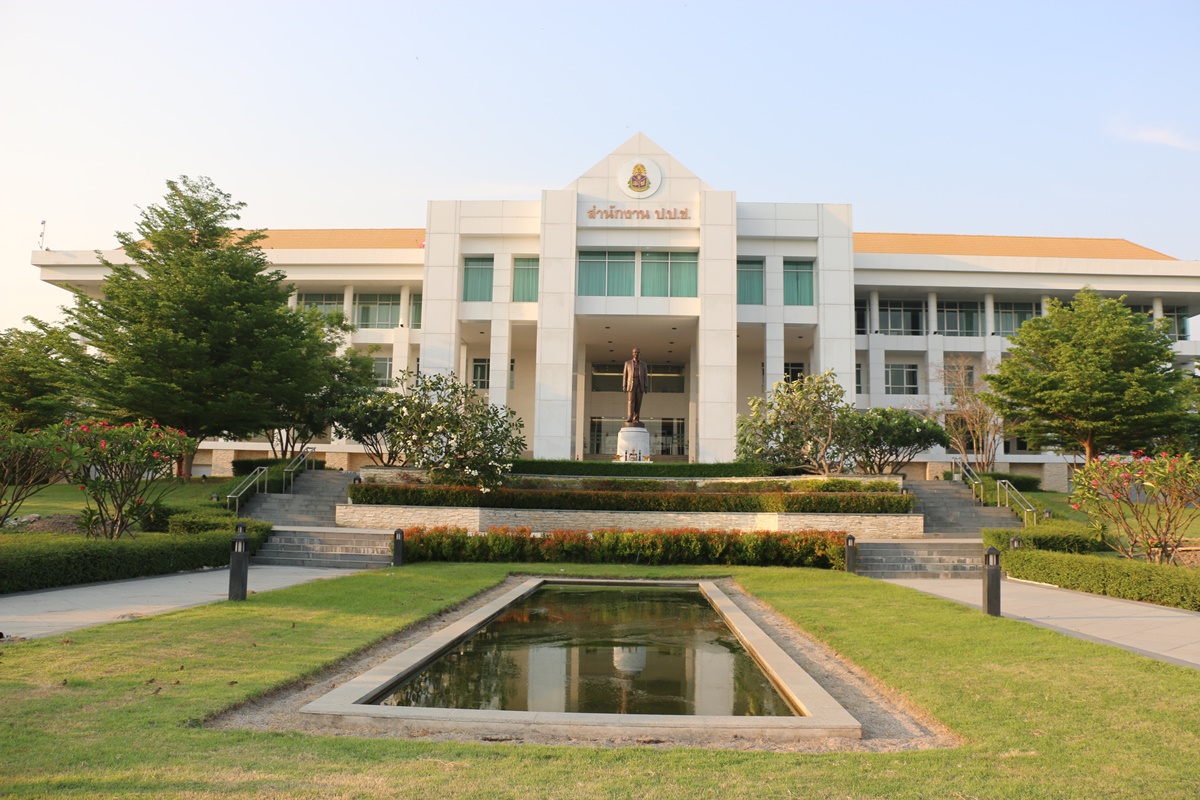
ป.ป.ช. ฉะเชิงเทรา รุกตรวจสอบพื้นที่ ส.ป.ก. และป่าสงวน พบร่องรอยบุกรุกใช้ประโยชน์
จากไชต์: สำนักงานคณะกรรมการป้องกัน และปราบปรามการทุจริตแห่งชาติ (สำนักงาน ป.ป.ช.) สนามบินน้ำ
จำนวนผู้เข้าชม: 14
ป.ป.ช. ฉะเชิงเทรา รุกตรวจสอบพื้นที่ ส.ป.ก. และป่าสงวน พบร่องรอยบุกรุกใช้ประโยชน์
สำนักงานคณะกรรมการป้องกันและปราบปรามการทุจริตแห่งชาติ ประจำจังหวัดฉะเชิงเทรา (สำนักงาน ป.ป.ช. ฉะเชิงเทรา) เดินหน้าติดตามและตรวจสอบอย่างเข้มข้น พร้อมบูรณาการหน่วยงานราชการและภาคประชาชน ลง 2 พื้นที่เขตพื้นที่ ส.ป.ก. และเขตพื้นที่ป่าสงวนแห่งชาติ กรณีการบุกรุก ใช้ประโยชน์ที่ดินของรัฐโดยมิชอบด้วยกฎหมายในเขตพื้นที่ ส.ป.ก. และเขตพื้นที่ป่าสงวนแห่งชาติ พบร่องรอยและหลักฐานการลักลอบบุกรุกใช้ประโยชน์
สืบเนื่องจากการลงพื้นที่เฝ้าระวังเชิงรุกของสำนักงาน ป.ป.ช. ประจำจังหวัดฉะเชิงเทราร่วมกับหน่วยงานที่เกี่ยวข้อง กรณีการตรวจสอบปมบุกรุกที่ดิน ส.ป.ก. และที่ดินป่าสงวนแห่งชาติ เมื่อวันที่ 26 กุมภาพันธ์ 2569 นำมาสู่การติดตาม ขยายผล ลงพื้นที่จับตามองและค้นหาข้อเท็จจริงอย่างรอบด้าน กรณีการบุกรุกใช้ประโยชน์ที่ดินของรัฐโดยมิชอบด้วยกฎหมายในเขตพื้นที่ ส.ป.ก. และเขตพื้นที่ป่าสงวนแห่งชาติ ในวันที่ 6 มีนาคม 2569 โดยสำนักงาน ป.ป.ช. ประจำจังหวัดฉะเชิงเทรา ภายใต้การนำของ นายหิรัญ ไชยกันยา ผู้อำนวยการสำนักงาน ป.ป.ช. ประจำจังหวัดฉะเชิงเทรา บูรณาการร่วมกับหน่วยงานราชการและภาคประชาชน รวม 20 หน่วยงาน
ในพิกัดจุดที่ 1 พบร่องรอยและหลักฐานที่น่าเชื่อได้ว่า มีการลักลอบขุดทราย ออกจากพื้นที่ ส.ป.ก.ไปยังพื้นที่อื่น โดยมิชอบด้วยกฎหมาย พบว่าสภาพพื้นที่เปลี่ยนแปลงไป มีการนำต้นกล้าอ่อนมาปักชำไว้บริเวณหน้าดินทั่วบริเวณ
โดยสำนักงานการปฏิรูปที่ดินจังหวัดฉะเชิงเทรา ได้มีการพิสูจน์ทราบสถานะที่ดินตามหลักฐานและข้อมูลทางราชการแล้วว่า เป็นพื้นที่ ส.ป.ก.บริเวณที่ขุดดินเนื้อที่ประมาณ 28.43 ไร่ และจากการตรวจสอบพบว่ามีปริมาณดินที่ถูกขุดออกไปมากกว่า176,000 ลูกบาศก์เมตร ในส่วนของการประเมินความเสียหายอยู่ขั้นตอนการดำเนินการ
สถานะความคืบหน้าในการดำเนินคดีปัจจุบัน สำนักงานการปฏิรูปที่ดินจังหวัดฉะเชิงเทรา ได้แจ้งความร้องทุกข์กับพนักงานสอบสวนสถานีตำรวจภูธรท่าตะเกียบเรียบร้อยแล้ว และส.ป.ก. จะดำเนินการเรียกเกษตรกรผู้ได้รับอนุญาต 2 รายที่ได้รับการจัดสรรที่ดินในพื้นที่แปลงดังกล่าวมาให้ข้อเท็จจริงแก่ ส.ป.ก.ต่อไป
ในพิกัดที่ 2 พบการบุกรุกใช้ประโยชน์ในที่ป่าสงวนแห่งชาติ บริเวณหมู่ที่ 3 บ้านเกาะลอย โดยมีกองทราย ร่องรอยการใช้เครื่องจักรหนัก และสิ่งปลูกสร้างในพื้นที่ โดยสถานะของพื้นที่ คือ พื้นที่ป่าสงวนแห่งชาติ ซึ่งมีข้อมูลว่ากรมชลประทานได้ดำเนินการขอใช้ประโยชน์ และกรมชลประทานได้นำป้ายประกาศห้ามเข้าก่อนได้รับอนุญาตมาติดประกาศไว้ด้านหน้าของพื้นที่
อย่างไรก็ตาม สำหรับพิกัดจุดที่ 2 ขณะนี้ยังไม่ชัดเจนว่าอยู่ภายใต้ความรับผิดชอบของกรมชลประทานหรือกรมป่าไม้เนื่องจากในปี 2537 กรมชลประทานได้ขออนุญาตใช้พื้นที่ป่าสงวนแห่งชาติ จำนวน 27,737 ไร่ เพื่อดำเนินโครงการอ่างเก็บน้ำคลองสียัด โดยได้ขออนุญาตเป็นระยะเวลา 30 ปี ใบอนุญาตใช้พื้นที่ได้หมดอายุตั้งแต่ปี 2567 แล้ว สำนักงาน ป.ป.ช จึงได้เร่งรัดให้กรมชลประทานและกรมป่าไม้ตรวจสอบข้อกฎหมาย และชี้แจงให้ชัดเจนว่าหน่วยงานใดเป็นผู้ถือครองสิทธิ์ในพื้นที่เพื่อเข้าสู่กระบวนการการตรวจสอบข้อเท็จจริงและดำเนินการตามกฎหมายต่อไป
ทั้งนี้ การลงพื้นที่ในครั้งนี้ใช้วิธีการรวบรวมข้อเท็จจริงอย่างรอบด้าน โดยนำอากาศยานไร้คนขับ (Drone) บินบันทึกภาพมุมสูงเพื่อบันทึกภาพขอบเขตการบุกรุก ทั้ง 2 จุด พร้อมทั้งจัดเก็บตัวอย่างน้ำเพื่อตรวจวัดคุณภาพน้ำในพื้นที่ที่คาดว่ามีการลักลอบล้างทราย มีการเก็บตัวอย่างดินทราย ทั้ง 2 จุด ได้แก่ จุดที่ขุดทรายและจุดที่คาดว่าล้างหรือพักทราย ไปตรวจสอบเพื่อให้ทราบว่าเป็นดินทรายที่มาจากที่เดียวกันหรือไม่ รวมถึงเก็บลายนิ้วมือจากสิ่งปลูกสร้างที่อยู่บริเวณดังกล่าว
--------------------------------------------------------------
NACC finds evidence in encroachment on Sor Por Kor and protected forest land in Chachoengsao
The Office of the National Anti-Corruption Commission’s Chachoengsao Provincial Office (NACC Chachoengsao Office) is intensifying its follow-up and investigation efforts, integrating government agencies and the public sector, in two cases of land allocated under the Agricultural Land Reform Act (Sor Por Kor) and national forest reserve areas, finding evidence of illegal encroachment and misuse was found.
Following earlier inspection by the NACC Chachoengsao Office in collaboration with relevant agencies on February 26, 2026, regarding the encroachment on the two locations, a follow-up investigation was conducted on March 6, 2026, to thoroughly examine and uncover the facts surrounding the illegal encroachment and misuse led by Mr. Hiran Chaikanya, Director of the NACC Chachoengsao Office, and in collaboration with 20 agencies from the government and the public sectors.
At the first location, the operation found credible evidence suggesting illegal sand excavation from a Sor Por Kor land to other areas. The land's condition was altered, with young trees planted throughout the area.
The Chachoengsao Provincial Land Reform Office has verified the land status based on official records and information, confirming that the excavated area is a Sor Por Kor land of approximately 28.43 rai. Inspection revealed that more than 176,000 cubic meters of soil were excavated. Damage assessment is currently underway.
The Chachoengsao Provincial Land Reform Office has filed a complaint with the investigating officers at Tha Takiap Police Station and will summon the two farmers who were allocated land in the area to provide information.
At the second location, encroachment on a national forest reserve was discovered in Moo 3, Ban Ko Loi, with piles of sand, evidence of heavy machinery use, and structures on the land. The area is currently classified as a national forest reserve and previously granted to the Royal Irrigation Department who has posted signs prohibiting unauthorised entry at the entrance.
However, it is unclear whether the land currently falls under the responsibility of the Royal Irrigation Department or the Royal Forest Department. In 1994, the Royal Irrigation Department requested permission to use 27,737 rai of national forest reserve land for the Khlong Siyad Reservoir project, for a period of 30 years but the permit expired in 2024.
Therefore, the National Anti-Corruption Commission (NACC) has asked the Royal Irrigation Department and the Royal Forest Department to investigate the legal aspects and clarify which agency holds the rights to the area in order to proceed with the fact-finding process and legal action.
This field investigation employed a comprehensive fact-finding method, using drones to record aerial footage of the encroachment at both locations. Water samples were collected to test water quality in areas suspected of illegal sand washing, and soil samples were collected from both the sand excavation site and the suspected washing or storage site to determine if the sand originated from the same source. Fingerprints were also collected from structures in the area.
Download

Related